
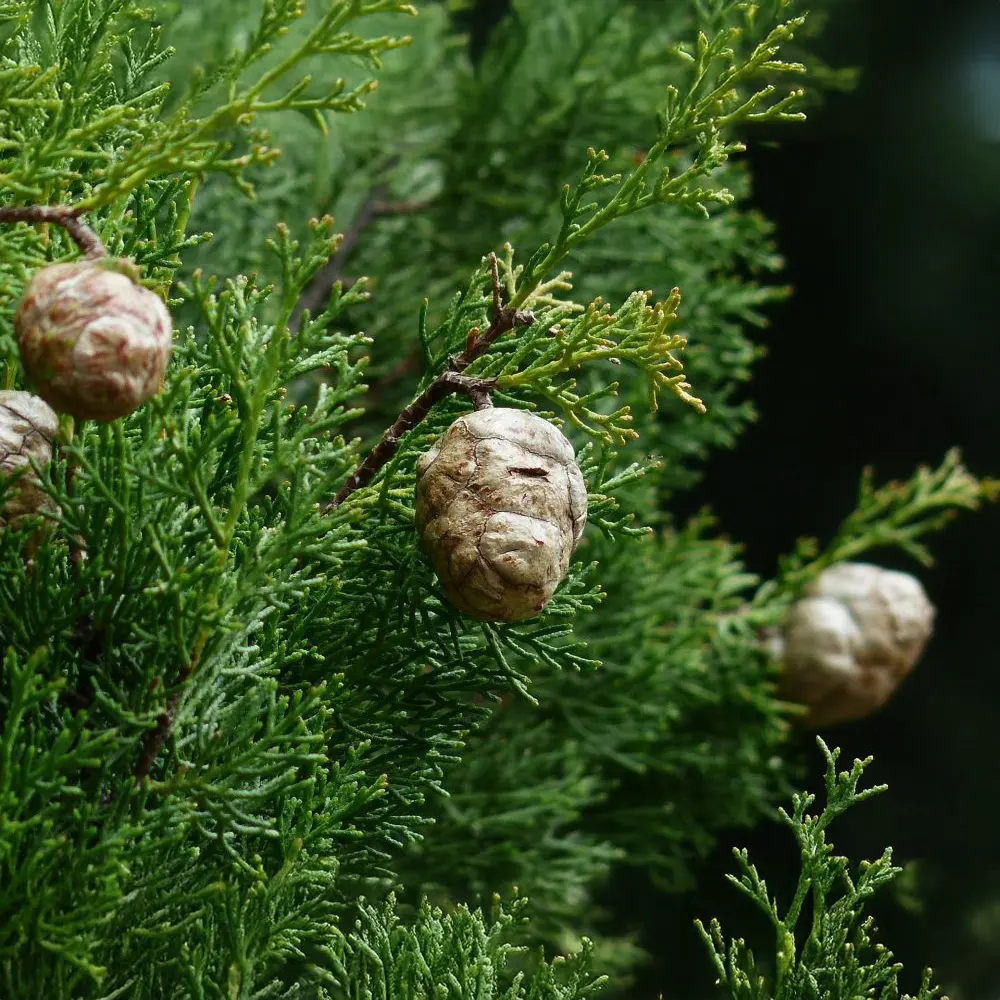
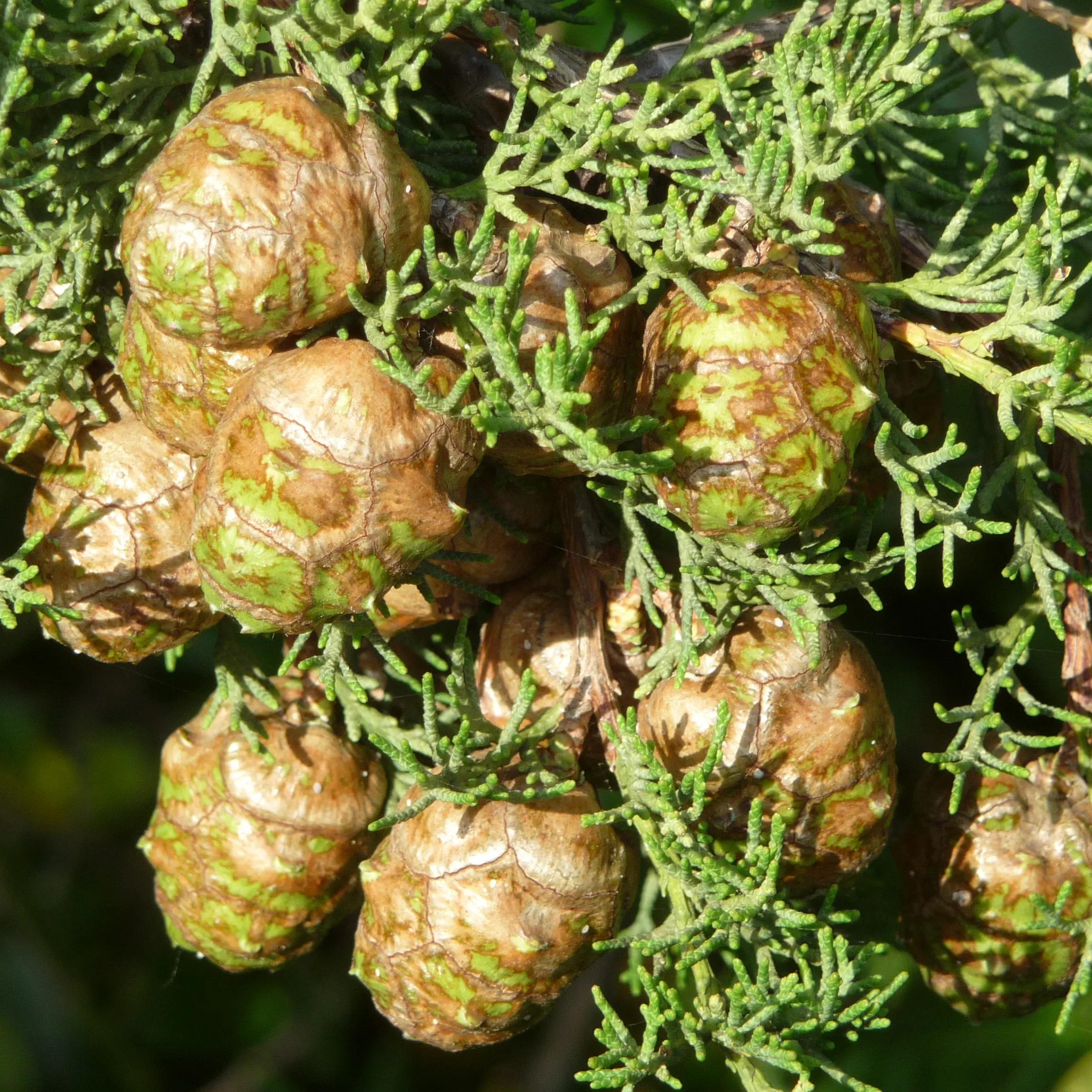
Cypress as an herbal remedy. The cypress tree is not only history and tradition, but also an extraordinarily beautiful and elegant tree. This conifer boasts many medicinal properties, containing tannin, essential oil, and many other active substances. It is also used to create air fresheners and fragrances. The parts used are the fresh fruits (cones) and the wood.
Active ingredients and properties
Chemical composition: essential oils such as pinene, camphene, cadinene, cedrol, camphor, etc., glycolic acid, tannins.
Therapeutic properties: vasoconstrictor, venous tonic, bladder muscle eutonic, astringent, balsamic. The essential oil has antibacterial action.
The Cypress in Tuscan Tradition
Distributed in different varieties throughout the world, the cypress is the natural flagship of Tuscany. In addition to being a defining element of the Tuscan landscape, the cypress is a natural remedy used for centuries in the local herbal tradition.
Herbalists and pharmacies offer cypress berries and wood, which, thanks to their essence and tannins, have a tonic effect on the veins, an astringent, and a circulatory stimulant. A decoction of cypress berries and wood is used externally to combat hemorrhoids. Internally, it is used to combat fever, as a diuretic, and for all bladder and prostate problems. Cypress acts as a tonic for these organs, with a gentle disinfectant effect.
Common uses of cypress in herbal medicine
1
As a balsamic, cough reliever, febrifuge
Place a teaspoon of cypress (leaves and young branches) in 100 ml of cold water, bring to a boil for two minutes. Turn off the heat and let it steep for five minutes. Strain and add a tablespoon of balsamic honey (thyme or eucalyptus). Drink the preparation one tablespoon at a time throughout the day.
2
As an astringent and antiseptic, for skin with pimples and enlarged pores
Place a tablespoon of cypress fruit in 200 ml of cold water, bring to a boil for two minutes. Turn off the heat and let steep for 15 minutes. Let cool and use as a facial wash, applied with gauze pads. Excellent for problem areas like the nose, forehead, and chin.
3
As an antidiarrheal and febrifuge, as a bladder tonic
Boil 200 ml of water, add a teaspoon of cypress berries, and turn off the heat. Let steep for two minutes. Strain and drink. Take three times a day, after meals, for up to a week.
4
For varicose veins and hemorrhoids
Boil 100 ml of water, add a tablespoon of cypress berries, and turn off the heat. Let steep for 10 minutes. Strain and use as a wash and compresses, using compresses soaked in the infusion, on the affected areas.
5
For rosacea and facial redness problems
Make compresses morning and evening with cypress decoction. The decoction for rosacea is prepared by adding a level teaspoon of crushed berries and wood to 250 ml of cold water. Bring to a boil and let it simmer for one minute. Turn off the heat and let it steep for five minutes.
6
Preparations for external use
In herbal medicine, we find numerous ointments, creams, and especially gels based on cypress extracts and essential oil. These preparations contain a large amount of the "cypress camphor" species, which is widely used in external applications. These preparations are used in particular for their combined toning, astringent, anti-inflammatory, and protective action on the venous system, in all cases of venous insufficiency, varicose veins, hemorrhoids, phlebitis, edema, and fatigue in the lower limbs and capillary fragility.

Cypress Mother Tincture
Little known in herbal medicine, thanks to recent research, it is increasingly gaining popularity among natural remedies. The preparation of this mother tincture is similar to other tinctures, but due to the relatively unstable raw material, which is difficult to preserve, the quality of the cypress fruits used to make the mother tincture is very high. Therefore, before being transformed into a mother tincture, the cypress fruit is carefully selected. The result is a tincture rich in active ingredients, including essential oil, tannins, glycolic acid, and glyceric acid. In traditional herbal medicine, cypress mother tincture is recommended as an excellent vasoconstrictor for all venous conditions, such as varicose veins and hemorrhoids. In menopausal symptoms, cypress mother tincture is excellent for combating circulatory problems, particularly in the lower limbs. As with the infusion and decoction, it is recommended for diarrhea, particularly when caused by infections and digestive problems. Cypress mother tincture is also recommended as an immune stimulant, and herbalist's and pharmacies often offer preparations based on echinacea and cypress. These compounds work well together, particularly for those who, in addition to being prone to illness, are generally physically and psychologically exhausted. Finally, its most specific use is for bedwetting, as it is an excellent bladder tonic. In this case, follow the dosage recommended by your herbalist or pharmacist.
The essential oil
Cypress Wine
The recipe for cypress wine to combat varicose veins is now three centuries old. Place 10 cypress berries in a liter of dry white wine. Leave to macerate for two weeks. Strain and drink a spoonful, dissolved in water, morning and evening. It is used as a venous tonic for circulatory disorders, varicose veins, hemorrhoids, and menopause. It is also considered a general nervous system balancer. It is also indicated for spasmodic coughs. It is a safe remedy for whooping coughs, whooping cough, tracheitis, and bronchitis. It is recommended to place a few drops on pillows, sheets, and the underwear of sick people. It is used for influenza, aphonia, and rheumatism. It is also effective for nocturnal enuresis (bedwetting).

